
The Data Driven Shift in Online Gambling
The online gambling industry has entered a data first era one where massive volumes of user interactions, preferences, and outcomes are continuously collected, analyzed, and leveraged in real time. What was once a game of chance has increasingly become a game of numbers, optimized by technology.
From Luck to Logic
Today’s digital casinos and sportsbooks don’t just rely on odds and instinct they rely on analytics. Algorithms now shape everything from user onboarding flows to in game betting suggestions, ensuring that platforms operate with precision and efficiency.
Key shifts include:
Real time tracking of user behavior to optimize platform performance and user engagement
Sophisticated data pipelines and storage systems that process millions of data points per second
Automated decision making tools that personalize content and adjust bets on the fly
Why Big Data Now?
The importance of big data in online gambling has surged due to three main factors:
Increased competition: With a flood of platforms vying for user attention, data driven experiences give companies an edge.
Mobile first users: As more players access gambling platforms via smartphones, real time tracking and responsiveness are crucial.
Regulatory pressure: Better data handling allows operators to meet compliance standards and demonstrate responsible gambling practices.
The Experience Engine
Algorithms increasingly determine what users see, how they’re incentivized, and when they’re most likely to engage. It’s not just about collecting big data it’s about using it to create micro personalized experiences that feel instant and intuitive.
Expect the trend to accelerate as platforms turn behavioral insights into immediate action, fine tuning every bet, bonus, and notification according to user behavior in the moment.
Tracking User Behavior in Milliseconds
Online gambling platforms aren’t just watching what games users play they’re tracking how they play them, and in real time. Every action matters: clicks, scrolls, dwell time, bet size, exit points. This behavioral data is collected at lightning speed and fed into live systems designed to understand patterns instantly.
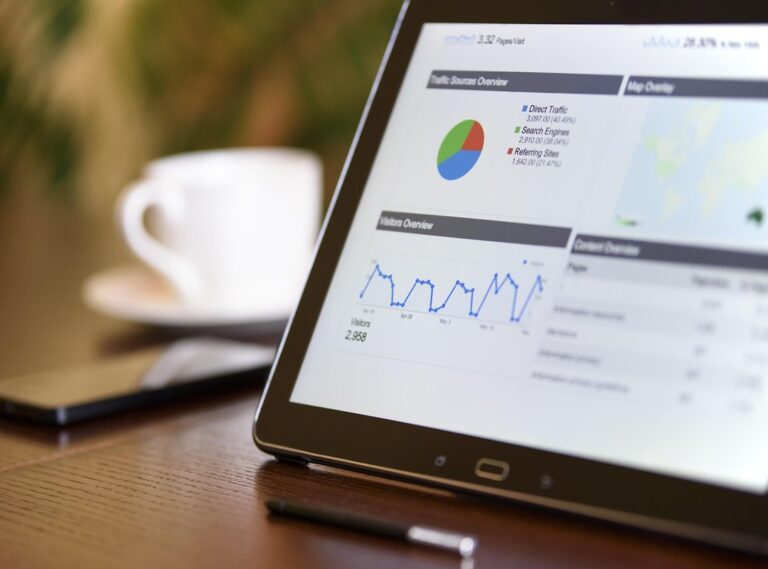
Heatmaps show precisely where users hover and click on a page. Session lengths reveal whether someone is casually browsing or locked into a binge. These patterns don’t just sit in a server they feed prediction models that adjust gameplay and offers on the fly. If a player suddenly shifts from blackjack to high stakes roulette, the system may recalibrate suggestions, odds, and even layout appearance.
These models aren’t futuristic they’re already running. They help platforms read user intent in seconds, shaping experiences that feel custom built. In a world where split second decisions matter, speed isn’t just an edge it’s the standard.
Personalization at Scale
Online gambling isn’t just about chance anymore it’s about precision. Platforms are now adjusting odds in real time based on how players behave. If a wave of bets comes in on one side, or if a user has a habit of backing certain teams or slots, algorithms respond instantly. The house is watching, and the deck reshuffles every second.
Promotions have gotten smarter too. Instead of blanket bonus drops, players now get promos built around their habits. A roulette fan might get spin credits, while a football bettor might see a boosted odds offer just before kickoff. It’s not guesswork it’s data driven targeting designed to keep players hooked but make the offers feel personal.
Even the content you see picks, insights, or casino games is shaped by your interactions. Platforms monitor what you click, what you skip, when you play, and how long. From there, they customize what shows up in your dashboard. It’s slick, and it’s fast. The goal: reduce friction, increase time on site, and raise the chances you’ll make that next bet.
This kind of personalization is changing the nature of online gambling. It’s more responsive, harder to game, and much more tailored whether you realize it or not.
Risk Management and Responsible Gambling

Online gambling platforms aren’t just chasing revenue they’re also being forced to think about responsibility. It’s not optional anymore. With player behavior now tracked in real time, companies can see the warning signs long before a user spirals. Sudden spikes in deposits, erratic late night play, disappearing withdrawals these are early markers. And now, algorithms can flag them instantly.
Predictive models aren’t perfect, but they’re getting sharper. Some systems trigger soft interventions, like cooling off messages or pauses in activity. Others escalate to human review. The idea isn’t to shame players it’s to catch problematic behavior while there’s still room to course correct.
But here’s where things get complicated. Gambling operators walk a tightrope. The same tools that boost retention personalized rewards, dynamic content can also push vulnerable users deeper. Data knows what makes a player stick around, but using it ethically is another layer entirely. Companies that lean into responsible design not just compliance checkboxes will build longer term trust. And trust, in this space, is currency.
Smarter Market Movement and Trend Analysis
The gambling industry is increasingly shaped by the speed and scope of big data. With massive datasets being processed in real time, the movement of betting markets reacts instantly to every significant trend, spike in activity, or user behavior pattern.
Real Time Market Shaping
Modern platforms analyze thousands of data points at once, allowing them to adjust betting lines dynamically. This isn’t just about algorithms reacting to game outcomes it includes real time user behavior, betting volume surges, and even market sentiment across regions.
Odds shift immediately based on live betting activity
Data inputs include game statistics, betting patterns, injury reports, and more
Results: fluid, responsive odds that reflect real conditions not just projections
AI Assisted Risk Management for Bookmakers
Bookmakers and betting platforms are using artificial intelligence to make faster and more accurate decisions about risk exposure. AI doesn’t just monitor bets it learns from them.
Algorithms assess risk in real time by analyzing bet sizes, timing, and user profiles
High volume bets or unusual patterns trigger automated checks or adjustments
Exposure limits are recalculated continually to maintain platform stability
Data Visualization in Action
Understanding these rapid shifts requires new tools. Visual dashboards are now crucial for both operators and advanced bettors.
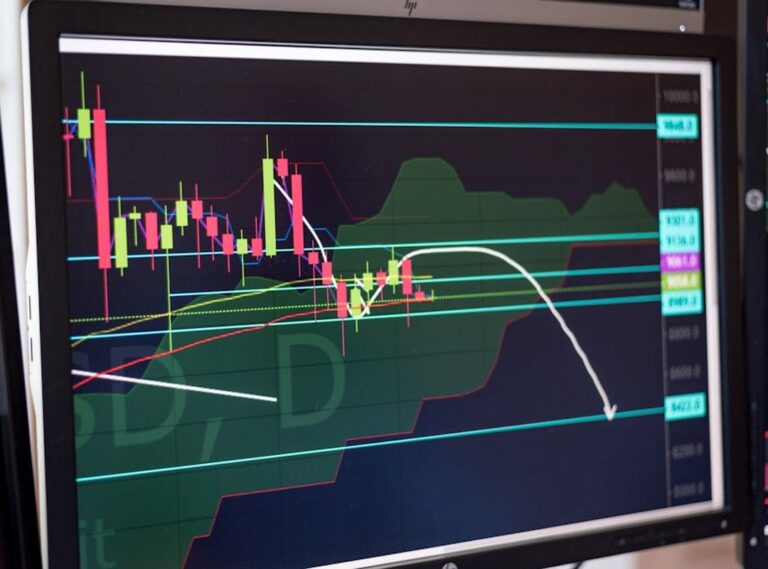
Heatmaps and line movement graphs track market sentiment
Bettors can watch trend data evolve across leagues, teams, or bet types
Decision making becomes faster and more informed, supported by transparent data visuals
Explore how this works through betting market visualizations
Visual Tools: Understanding the Flow of Bets
Whether you’re a sharp or just placing a casual bet, the game has changed and it’s visual. New dashboards are popping up across major sportsbooks and third party tools, tracking everything from real time bet volumes to market sentiment. These interfaces aren’t just for the bookies now. Bettors are using them to spot value, follow public momentum, or fade the crowd.
You’ll see heat maps of betting activity, live volatility indicators, and even predictive metrics showing where the odds might shift next. It’s data, dressed down for usability. Instead of Excel sheets and insider lingo, it’s graphs that pulse with market energy and tiles that light up when something spikes.
For both sides of the counter, timing and insight are everything. These tools don’t just show numbers they build narrative. And in an industry that runs on emotion, that story matters.
Learn more about betting market visualizations
Where It’s Headed: Predictive Gambling Ecosystems
The next phase of online gambling isn’t just smarter it’s interconnected. Platforms are moving toward full spectrum data ecosystems that track players across devices. Whether someone logs in on a phone, tablet, or desktop, the system knows. It watches where they pause, how they bet, when they bounce, and what makes them come back. All of this gets fed into coordinated AI models that adapt in real time.
This is more than just convenience. These systems are now merging behavioral data when you play, how often, how high you wager with social signals, financial footprints, and even game theory simulations. The goal? Predict habit loops and optimize engagement without overtly tripping ethical wires.
The upside is personalization that feels seamless, even intuitive. The downside is murkier. Transparency gets blurred. Players may not realize how much the system already knows or just how responsive the house has become.
Platforms will need to walk a tightrope between experience and exploitation. That means clearer disclosures, better user controls, and maybe most important building trust through design, not just promises. The tech is impressive. What matters now is how it’s used.