
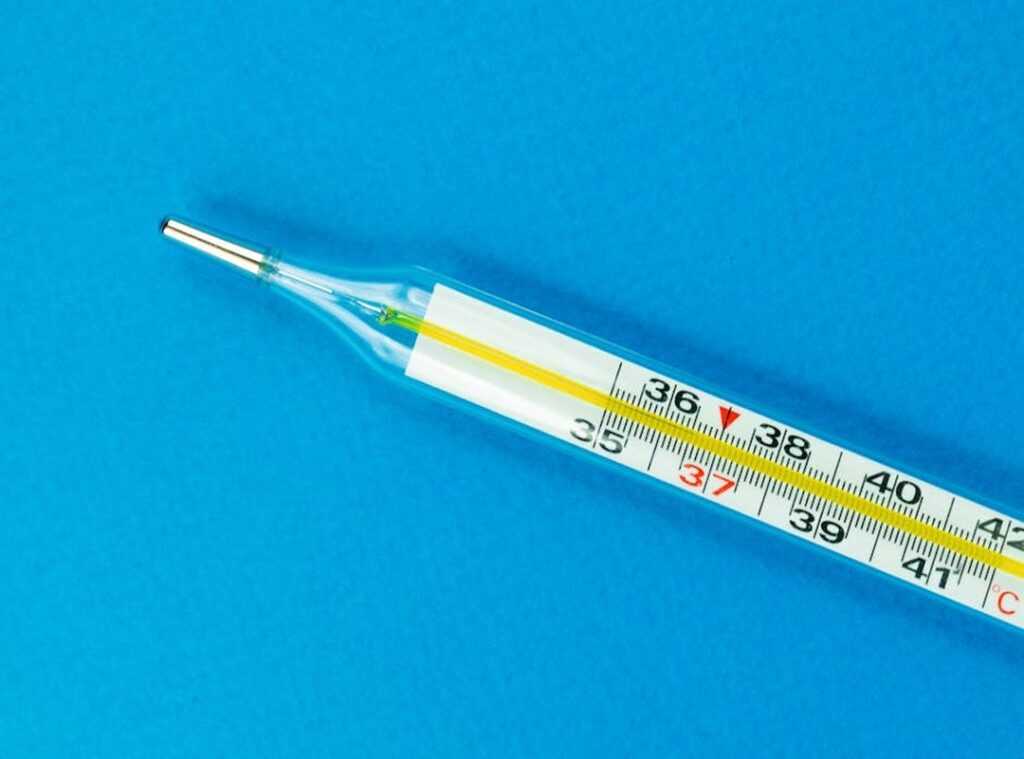
You’re here because you want to see a thermometer lagnat picture. I get it. We all know a fever means a high temperature, but seeing the actual number on different devices can be confusing.
This article is all about giving you a clear visual guide to fever readings on various common thermometers. By the end, you’ll be able to spot a fever reading and understand what those numbers mean.
Why is this important? For peace of mind and knowing when to take action for yourself or a loved one. Let’s dive in.
Decoding the Numbers: What Temperature is Officially a Fever?
Let me tell you about the time my kid had a fever. I was up all night, constantly checking his temperature, and wondering if it was serious. It’s a common worry.
A fever is generally considered to be a body temperature of 100.4°F (38°C) or higher.
For adults, here’s a simple breakdown:
– Low-grade: 100.4°F – 102.2°F
– Moderate: 102.2°F – 104°F
– High: above 104°F
Children and infants have different thresholds. For them, a fever is:
– Infants (0-3 months): 100.4°F (38°C) or higher
– Children (3-6 months): 102°F (38.9°C) or higher
– Children (6 months and older): 102.2°F (39°C) or higher
It’s important to know these numbers. They can help you decide when to call the doctor.
The ‘normal’ body temperature of 98.6°F (37°C) is just an average. Your body temperature can fluctuate throughout the day.
Also, the method of taking the temperature matters. Oral, rectal, and forehead readings can vary slightly. Rectal is often the most accurate for infants.
Understanding these basics can make those late-night worries a little less stressful. Trust me, I’ve been there.
A Visual Guide to Fever Readings on Common Thermometers
Let’s be real. Figuring out if you or your kid has a fever can be frustrating. You just want a clear, easy-to-read number.
Here’s what you need to know about the different types of thermometers.
Digital Stick Thermometer

The digital stick thermometer is a go-to for many. It usually shows a reading like 101.5°F. The number will flash and might beep, which can be annoying but at least it’s clear.
Forehead (Temporal Artery) Thermometer

These forehead scanners are pretty handy. They often have a color-coded screen. Red means a fever.
Simple, right? But sometimes, they can be a bit finicky and give inconsistent readings.
Ear (Tympanic) Thermometer

Ear thermometers show a digital display, like 102.3°F. Getting the right placement in the ear canal is key. Otherwise, you might get a false reading, and that’s the last thing you need when you’re already stressed.
Smart Thermometers

Smart thermometers connect to your phone app. They show a fever reading and even track history. This modern approach is great, but it can feel like overkill.
Sometimes, you just want a simple, quick answer without all the extra tech.
Glass (Mercury-Free) Thermometer

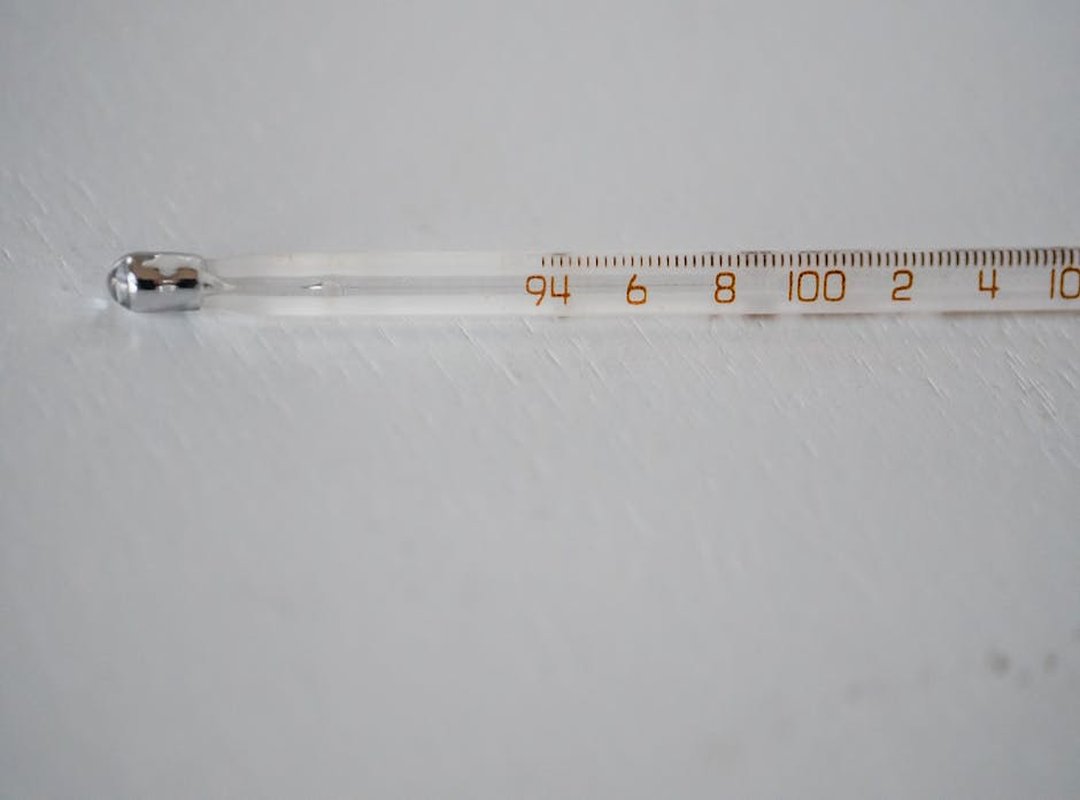
The classic glass thermometer still works. The liquid line should be past the 100°F / 38°C mark. Reading this analog device can be a bit tricky, especially if you’re in a hurry.
But hey, it’s reliable.
Understanding these different types of thermometers can help you make sense of those confusing readings. And if you’re into data, check out unveiling insights with data visualization in betting markets for more on how to use data effectively.
Common Mistakes That Lead to an Inaccurate Temperature Reading
Taking a temperature too soon after eating, drinking a hot or cold beverage, or exercising can mess up the reading. Wait 15-20 minutes before you take it.
Correct placement is key. For oral thermometers, make sure it’s deep under the tongue. For ear thermometers, get the right angle.
And for forehead ones, do a full swipe. Simple, right?
But here’s where things get tricky. Using the wrong thermometer for the situation can lead to all sorts of issues. Trying to get an oral reading on a crying toddler?
Good luck with that. Same goes for someone who’s congested. It’s just not going to work.
Low battery in digital thermometers? That’s another big one. A weak battery can give you erratic or incorrect readings.
Check it regularly to avoid any surprises.
Cleaning the thermometer before and after each use is crucial. Residue can interfere with the sensor’s accuracy. So, keep it clean, and you’ll get more reliable results.
(Thermometer lagnat picture)
Looking ahead, I think we’ll see more user-friendly and foolproof designs. Maybe even smart thermometers that can guide you through the process and alert you if something’s off. But for now, these tips should help you get more accurate readings at home.
When a Fever Reading Means It’s Time to Call a Doctor
A fever can be a sign that your body is fighting an infection. For infants under 3 months, any fever of 100.4°F (38°C) or higher warrants an immediate call to a doctor.
For adults and older children, certain symptoms should raise concern. These include difficulty breathing, severe headache, confusion, a rash, or a fever that lasts more than three days.
thermometer lagnat picture
Remember, a thermometer is a tool for information, not a diagnostic device on its own. This guide is for informational purposes and should not replace professional medical advice from a qualified healthcare provider.