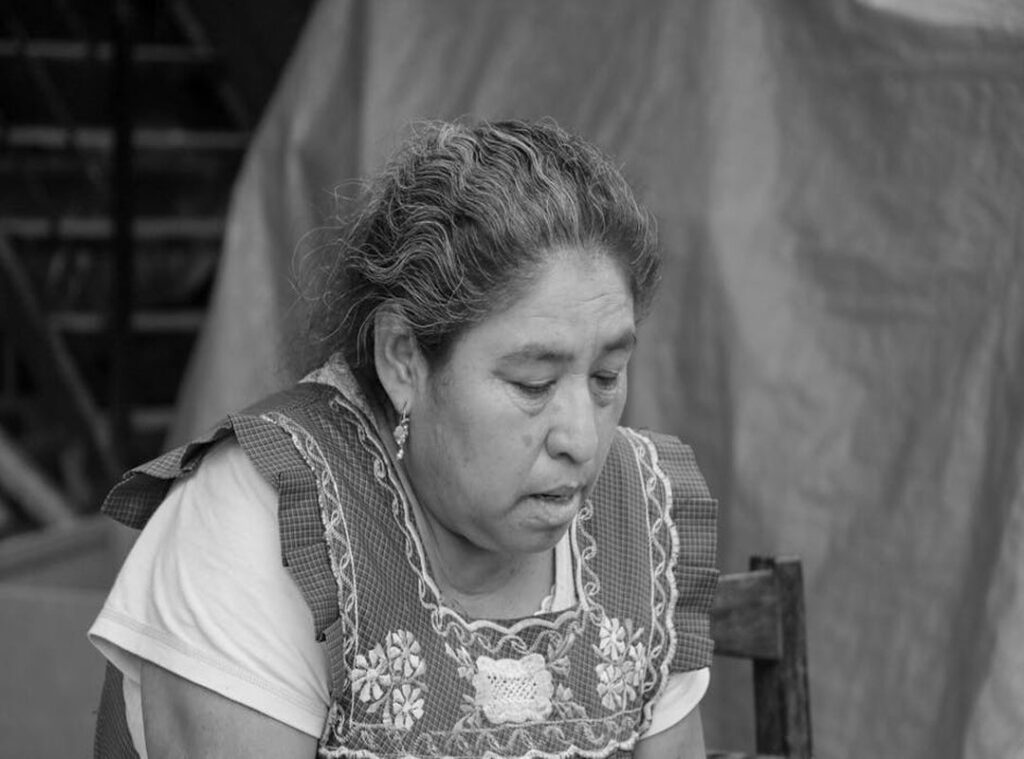
I’ve always been fascinated by the way women are portrayed in different contexts. From art to media, the images we see can shape our perceptions and even influence how we think about ourselves and others. But let’s be real, there’s a problem.
The lack of diverse and inclusive representation of women in imagery can lead to stereotypes and misrepresentation. It’s frustrating, right?
This article aims to provide a detailed overview of the latest trends, issues, and best practices in the use of poto de persona mujeres. We’ll dive into why it matters and what we can do about it. Trust me, I know this stuff.
I’ve spent years studying visual arts and media, and I’m here to share what I’ve learned. So, let’s get into it.
The Evolution of Women’s Imagery in Art
Women have been depicted in art for centuries, but the way they’ve been portrayed has changed dramatically. In ancient times, women were often shown as goddesses or idealized figures, like the Venus de Milo.
Fast forward to the Renaissance. Artists like Leonardo da Vinci and Michelangelo started to depict women with more realism. They showed women as complex individuals, not just symbols.
Impressionism brought a new perspective. Artists like Claude Monet and Edgar Degas focused on everyday life. Women were depicted in natural, unposed settings.
This was a big shift from the formal, idealized portraits of the past.
Modernism took it even further. Artists like Pablo Picasso and Frida Kahlo challenged traditional norms. They used bold, abstract styles to show women in new, unconventional ways.
Today, we see a lot more diversity and empowerment in women’s imagery. Contemporary artists are breaking barriers, showing women in all their complexity. Poto de persona mujeres is a great example of this trend.
It celebrates the unique qualities of each woman, rather than fitting them into a narrow mold.
The data backs this up. A study by the National Museum of Women in the Arts found that while women artists are still underrepresented, there’s a growing movement to change that. More galleries and museums are showcasing diverse and empowering representations of women.
Women’s Imagery in Media and Advertising
When you turn on the TV or flip through a magazine, it’s hard not to notice how women are portrayed. In television, for instance, women often end up in stereotypical roles—either as the perfect homemaker or the overly sexualized object.
Film isn’t much better. Think about the last movie you watched. How many female characters had depth and complexity?
Not many, right?
Print publications also have their issues. Magazines and newspapers sometimes reduce women to superficial images, focusing more on appearance than substance.
Now, let’s talk about advertising. Ads play a huge role in shaping public perceptions. For years, they’ve pushed unrealistic and often harmful images of women.
But there’s been a shift. More and more, companies are realizing that positive and realistic representations can be just as effective—and even more so.
Take Dove’s “Real Beauty” campaign, for example. They featured real women of all shapes, sizes, and ages. This was a stark contrast to the airbrushed models we usually see.
The impact? It sparked a global conversation about beauty standards and boosted Dove’s brand image.
Another great example is Always’ “Like a Girl” campaign. They challenged the negative connotations of the phrase and redefined what it means to do something “like a girl.” This campaign went viral and changed the way many people think about gender stereotypes.
These campaigns show that when brands take a stand and represent women authentically, they can make a real difference.
So, what’s the takeaway? When comparing traditional media and advertising with these new, progressive campaigns, the difference is clear. Traditional portrayals often limit and stereotype, while modern, inclusive campaigns empower and inspire.
Poto de persona mujeres, anyone?
Diversity and Inclusion in Women’s Imagery
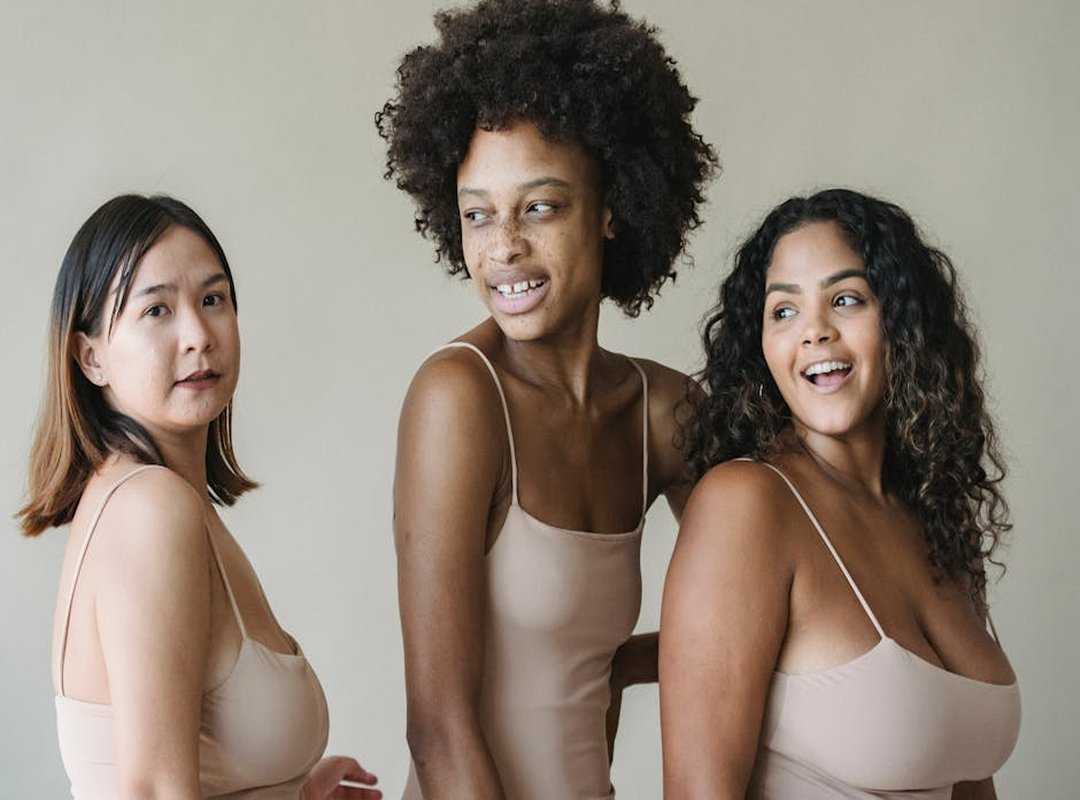
When you look at a photo, what do you see? Do you see a wide range of women—different ages, races, body types, and backgrounds? It’s crucial to represent this diversity.
It helps everyone feel seen and valued.
But let’s be real. Achieving this kind of diversity isn’t easy. There are systemic barriers that need to be addressed.
Sometimes, it feels like the same types of images get recycled over and over. It’s frustrating.
One of the biggest challenges is breaking through the stereotypes. The media often portrays a narrow view of what a woman should look like. This can make it hard for diverse images to gain traction.
We need to push back on these norms.
There are success stories, though. Organizations like poto de persona mujeres are making significant strides. They’re promoting diverse and inclusive imagery.
It’s inspiring to see.
You can almost feel the change when you look at their work. The images are vibrant, full of life, and they tell a story. It’s not just about looking pretty; it’s about feeling real.
We still have a long way to go. But every step counts. By supporting and sharing diverse imagery, we can make a difference.
It’s about creating a more inclusive world, one image at a time.
big datas impact on next gen gambling platforms
Empowerment and Positive Representation
Empowering imagery is like a mirror that reflects the best in us. It shows women as they are—strong, capable, and unique.
Think about it. When you see a poto de persona mujeres that celebrates a woman’s achievements, it’s not just a pretty picture. It’s a reminder of what’s possible.
Positive role models in imagery are like lighthouses. They guide and inspire, showing others the way forward.
Role models can be anyone—a scientist, an artist, or even a neighbor. The key is that they embody the qualities we admire and aspire to.
When we see these images, we’re not just looking at a photo. We’re seeing a blueprint for our own potential.
So, next time you come across an empowering image, take a moment. Let it sink in. You might just find the spark you need to light your own path.
The Future of Women’s Imagery
The evolution of women’s imagery has seen a significant shift towards more diverse and empowering representations. This change reflects a broader cultural movement that values inclusivity and authenticity. poto de persona mujeres now encompasses a wide range of identities, experiences, and backgrounds. Continued efforts are crucial to ensure that all forms of imagery represent women in a way that is both positive and realistic.
By supporting and advocating for these portrayals, each of us can contribute to a more inclusive and empowering future.