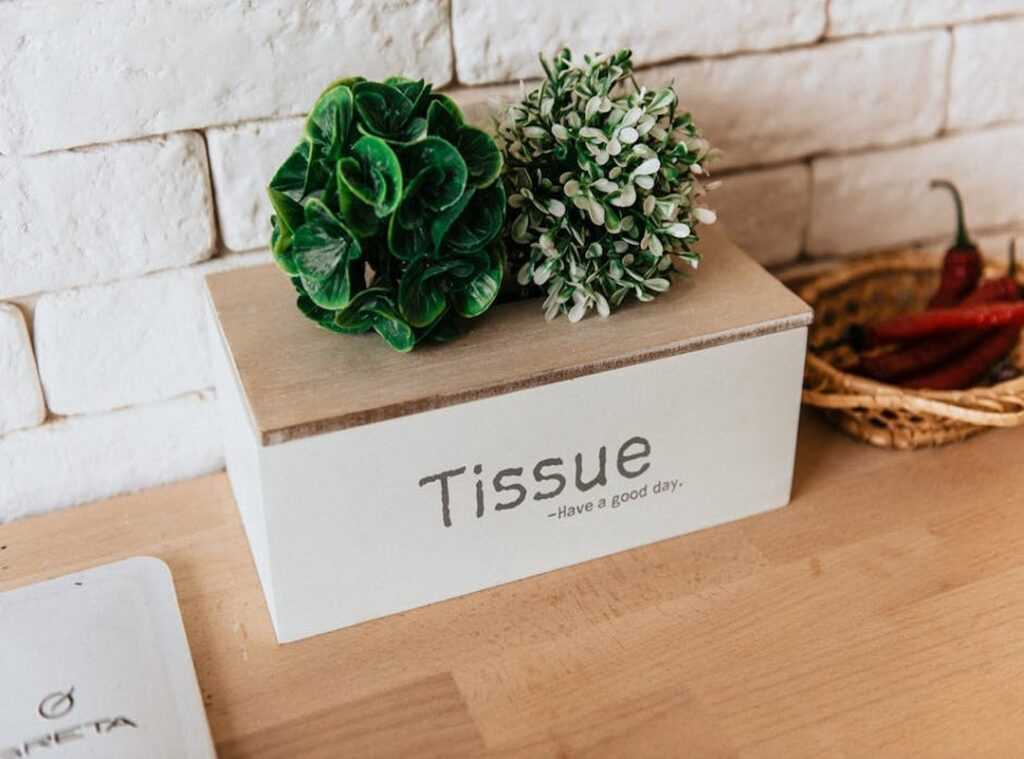
Blood on tissue can be a real worry. It’s not something you see every day, and it can make you wonder what’s going on. muntah darah di tissue is a specific concern that needs attention. But before you panic, let’s break it down.
There are several reasons why you might find blood on your tissue. Some are minor and others more serious. Understanding the causes can help you decide when to seek medical help.
This article will help you identify those causes and guide you on what steps to take.
I’ve based this on expert medical advice. So, you can trust the information here. It’s practical and actionable.
No fluff, just what you need to know.
Let’s get into it.
Common Causes of Blood on Tissue
When you see muntah darah di tissue, it can be pretty alarming. Let’s break down some common causes and what to do about them.
Menstrual Bleeding: This is the most common reason for blood on tissue. Regular menstrual cycles are normal, but irregularities can be a sign of something more serious. If your periods are suddenly heavier or more frequent, it’s worth checking with a doctor.
Hemorrhoids are another big one. They can be internal or external, and both types can cause bleeding. Symptoms include pain, itching, and swelling.
Treatment options range from over-the-counter creams to surgical procedures.
Some people argue that hemorrhoids are just a minor inconvenience. But trust me, they can be really painful and disruptive. Ignoring them won’t make them go away.
It’s better to treat them early.
Anal Fissures: These are small tears in the lining of the anus. They can be incredibly painful and often lead to blood on tissue. Symptoms include sharp pain during bowel movements and visible blood.
Keeping the area clean and using stool softeners can help, but sometimes medical intervention is needed.
UTIs, or urinary tract infections, can also cause blood in urine. Symptoms include a burning sensation while peeing, frequent urination, and cloudy or strong-smelling urine. If you suspect a UTI, get it checked out.
Antibiotics can usually clear it up quickly.
Some folks might say, “It’s just a little blood, no big deal.” But ignoring these symptoms can lead to more serious health issues. Better safe than sorry, right?
If you’re seeing blood on tissue, don’t panic. But don’t ignore it either. Get it checked out to make sure everything’s okay.
Less Common but Serious Causes
I remember when my friend Sarah came to me with a worried look. She had noticed some blood on her tissue and was scared. It turned out she had endometriosis, a condition where tissue similar to the lining inside the uterus grows outside of it.
This can cause pain and, in some cases, muntah darah di tissue.
Colorectal cancer is another serious issue. Symptoms can include changes in bowel habits, blood in the stool, and unexplained weight loss. Early detection is key, so if you notice any of these signs, don’t hesitate to see a doctor.
Sexually transmitted infections (STIs) can also cause bleeding. STIs like chlamydia and gonorrhea often show no symptoms, but when they do, they can lead to unusual discharge and spotting. Getting tested and treated is crucial to prevent long-term health issues.
It’s important to stay aware and proactive about your health. If you notice anything unusual, it’s better to get it checked out sooner rather than later.
When to Seek Medical Attention
If you notice persistent or recurrent bleeding, it’s time to consult a doctor. Don’t wait for it to go away on its own.
Severe pain, especially when accompanied by blood on tissue, is a red flag. You should seek medical help immediately.
Unusual symptoms can also indicate a more serious condition. For example, if you see muntah darah di tissue, it’s a clear sign that something isn’t right.
Other symptoms like dizziness, fainting, or extreme fatigue should not be ignored. These could point to a more serious underlying issue.
Sometimes, it’s hard to know what to do. If you’re unsure, it’s always better to err on the side of caution and see a healthcare provider.
Pro tip: Keep a symptom journal. Note when and how often these issues occur. This can be really helpful for your doctor.
In today’s world, technology can also play a role in managing your health. For instance, chatbots are changing the way we get support in many areas, including online services. They can provide quick answers and guidance, but they’re no substitute for professional medical advice.
Preventive Measures and Home Care
Let’s talk about some simple things you can do to keep yourself healthy. Good hygiene is a no-brainer. Wash your hands regularly, and keep your living space clean.
These basic steps can go a long way in preventing infections.
When it comes to diet, focus on high-fiber foods like fruits, vegetables, and whole grains. Fiber helps keep your digestive system running smoothly. You might also consider supplements if your diet is lacking.
This can help reduce the risk of hemorrhoids and anal fissures.
Regular check-ups are crucial too. Don’t wait until something feels off. Regular screenings can catch potential issues early, making them easier to treat.
Now, let’s speculate a bit. In the future, I think we’ll see more at-home testing kits for various health conditions. These kits could make it even easier for people to stay on top of their health without frequent doctor visits.
(Just a guess, but it makes sense with how technology is advancing.)
If you notice muntah darah di tissue, don’t ignore it. It’s a sign that something might be wrong, and it’s better to get it checked out sooner rather than later.
Understanding and Managing Stress-Related Bleeding
Stress can really mess with your body. It’s no joke.
Back in 2019, I noticed a lot of people around me dealing with stress-related health issues. It’s not just about feeling anxious; it can lead to physical problems too.
One of the more serious issues is stress-related bleeding. You might see muntah darah di tissue—that’s a clear sign something’s off.
Managing stress is key. Exercise helps a lot. Even a quick walk can make a difference.
Relaxation techniques like deep breathing or meditation are also great. They help calm your mind and reduce that overwhelming feeling.
Mindfulness is another tool. It’s about being present and aware. Just a few minutes a day can help you stay grounded.
Remember, if you’re seeing muntah darah di tissue, it’s time to take a step back and focus on your well-being.
Taking Control of Your Health
Understanding the causes of blood on tissue is crucial. Common reasons include hemorrhoids, anal fissures, and infections. Less common but serious causes can be muntah darah di tissue, indicating a more severe condition like gastrointestinal bleeding.
It’s important to recognize these signs and not ignore them. Being proactive about your health means seeking medical advice when you notice such symptoms. Stay informed and take steps to maintain your well-being.