
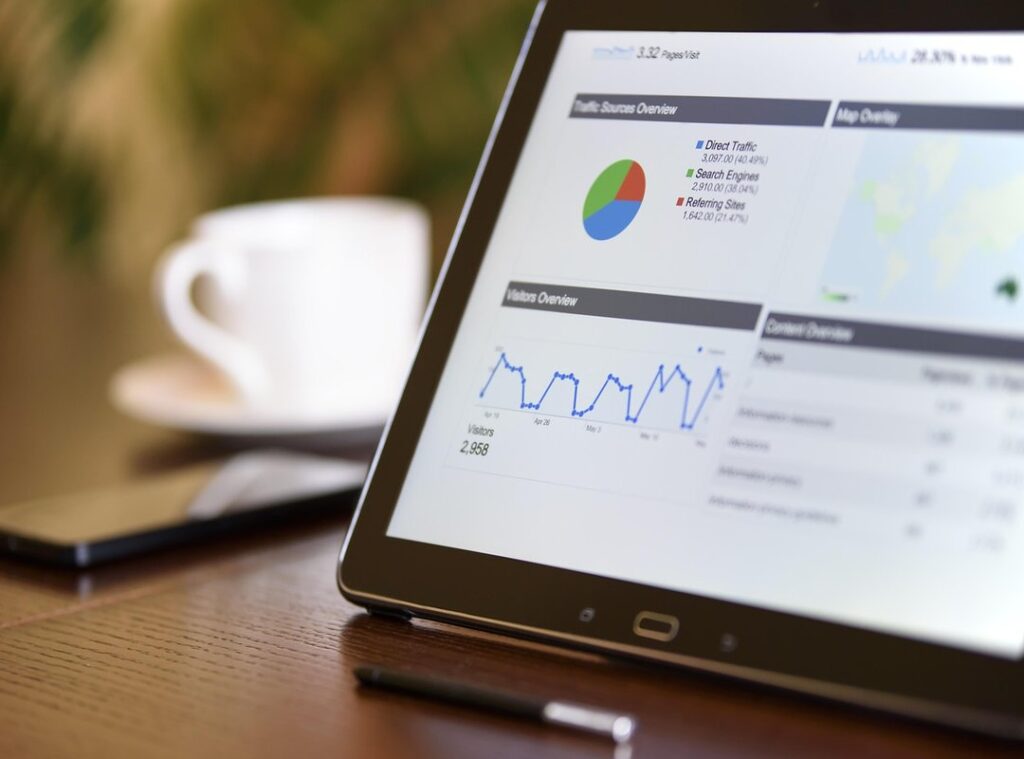
You’re staring at a BTC/USD chart.
Candles everywhere. Lines crossing like spaghetti. Numbers flashing you don’t understand.
And you’re thinking: What the hell is this even showing me?
I’ve been there. More than once.
Most people think charts are about predicting price. They’re not. They’re about reading what’s already happened (and) how it’s happening right now.
That confusion costs real money. Not hypothetical losses. Actual trades gone sideways because someone misread volume or mistook a moving average for support.
How Do Crypto Charts Work Drhcryptology isn’t about theory. It’s about what actually moves on screen. Candle formation, timeframes stacking, order flow hiding in plain sight.
I’ve watched live charts across Binance, Bybit, and Kraken (minute) by minute, day by day, bull and bear markets both. Not backtested. Not simulated.
Real data. Real mistakes. Real corrections.
This guide doesn’t tell you when to buy or sell. It doesn’t guess where Bitcoin goes next.
It explains how the chart works. Period.
You’ll walk away knowing why a green candle means more than just “up”, why volume bars lie unless you check exchange type, and how to spot when a trend line is just noise.
No fluff. No hype. Just clarity.
Crypto Charts: What Each Piece Actually Does
I stare at charts all day. Not because I love them. Because they lie if you don’t know how they’re built.
The price axis is your first trap. Linear scale makes recent moves look huge. Log scale shows percentage changes fairly.
Pick one and stick with it (or) you’ll misread volatility (yes, even Bitcoin’s 2021 pump looks tame on log).
Timeframes? 1-minute candles show noise. Daily candles show structure. You’re not “wrong” using 5-minute.
You’re just reading a different book. One written in panic and latency.
Candlesticks aren’t art. Open, high, low, close. That’s the only data they encode.
A green candle doesn’t mean “buy.” It means price closed higher than it opened. That’s it. Context decides meaning.
Volume bars tell you who showed up. Low volume + big move? Probably fake.
High volume + reversal? Pay attention. Crypto has no official close.
No NYSE bell. Just 24/7 trading across fragmented exchanges (so) volume is messier, and order book depth matters more than any single candle.
Here’s what breaks people: seeing a bearish engulfing pattern on the 5-minute chart and jumping in short. Without checking if it’s happening at resistance, without confirming volume spiked, without noticing the daily trend is still up (it’s) just a shape. Not a signal.
How Do Crypto Charts Work Drhcryptology? This guide walks through real chart reads (no) fluff, no magic.
I’ve lost money trusting isolated candles. You will too (unless) you stop reading pieces and start reading the whole sentence.
Indicators Decoded: Real Signals vs. Pretty Lines
I used to stare at charts for hours thinking Bollinger Bands told me where price had to go.
They don’t.
Moving averages smooth price data (nothing) more. I feed them closing prices, nothing else. They show trend direction and act as changing support or resistance only when price respects them repeatedly.
Not because the math says so. Because traders watch them.
RSI? It measures speed and change of price moves (not) overbought or oversold. That’s a myth.
I calculate it on 14 periods of gains vs losses. When it flattens while price climbs, momentum’s fading. That’s exhaustion.
Not a “sell signal.”
MACD tracks convergence and divergence between two moving averages. Plus a signal line. I use it to spot early shifts before price confirms.
Not to chase crossovers blindly.
Bollinger Bands fail when you treat the upper/lower bands as targets. Price breaks them all the time. (Especially in crypto.)
Fibonacci retracements break down if you slap them on any random wick.
You need clean swing points (or) it’s just doodling.
I pulled up BTC/USD from March 2024. One chart with six indicators. Another with just price + 200-day MA + RSI.
The second one screamed the reversal three days earlier.
Clutter hides truth. Simplicity exposes behavior.
That’s how you answer How Do Crypto Charts Work Drhcryptology. By stripping away what doesn’t react to real buying and selling.
Moving averages are lagging. But they’re honest.
You want clarity? Turn off everything that doesn’t move with price (not) ahead of it, not behind it, but with it.
Timeframes Are Functional Layers. Not Just Zoom Levels

I used to treat timeframes like camera lenses. Zoom in for detail. Zoom out for context.
Wrong.
They’re not lenses. They’re roles.
1-minute to 15-minute charts catch liquidity sweeps and fine-tune entries. That’s it. Don’t ask them about trend direction.
They won’t tell you.
1-hour to 4-hour charts set intraday bias. They filter noise. They show where volatility actually builds.
Not where it looks like it builds.
Daily and higher? That’s where structure lives. Where macro sentiment anchors.
Where real money makes decisions.
Conflicting signals aren’t contradictions. They’re hierarchy checks.
A bullish reversal on the 15-minute chart means nothing if the 4-hour chart is rejecting at support (and) the daily trend is down.
I watched BTC do this last March. A 5-minute breakout looked clean. Candle closed above resistance.
Volume spiked.
Then I checked the 1-hour chart. Price slammed into the 200-period moving average. Rejected hard.
No follow-through.
I wrote more about this in Drhcryptology Bitcoin Tips From Drhomey.
Then I checked daily volume. Flat. No institutional confirmation.
That breakout was fake. And I knew it before the candle closed. Because I wasn’t hunting for “the right timeframe.” I was asking each one its job.
Functional layering is how you stop chasing ghosts.
How Do Crypto Charts Work Drhcryptology? It’s not magic. It’s role assignment.
If you want real-time examples of this in action (especially) how Drhcryptology Bitcoin Tips From Drhomey breaks down BTC setups using layered timeframes. Go read that page.
It’s not theory. It’s what I use. Every day.
You’ll see how a 15m signal gains weight only when the 4H and daily lines up.
Or doesn’t.
Chart Patterns Are Visual Lies. Until They’re Not
Chart patterns aren’t fortune-telling.
They’re snapshots of who’s in control: buyers or sellers. Right now.
A head-and-shoulders forms because sellers pile in at the right shoulder after failing to break higher (not) because the chart “wants” a reversal.
Volume spikes. Wicks get long. Price gets rejected.
That’s the mechanism. Not magic. Just pressure.
I’ve watched traders draw perfect triangles on Bitcoin charts and ignore the fact that volume dried up inside the pattern. Then they lose money. (Spoiler: low volume = no conviction.)
Double tops? They only mean something if price fails twice at resistance with real selling volume (not) just because two wicks look similar.
Superficial shape-matching is how people blow accounts. You see a “cup and handle” on a $0.03 altcoin with 500 daily trades? It’s noise.
Thin order books fake patterns all day.
Real patterns need three things: volume, wick rejection, and context.
If you can’t answer who moved price and why, skip the trade.
That’s why understanding order flow matters more than memorizing shapes.
How Do Crypto Charts Work Drhcryptology? Start there. Not with pattern names.
If you’re still asking why some cryptocurrencies hold value while others vanish overnight, Why Choose Cryptocurrency cuts through the hype.
Charts Don’t Predict. They Report
I’ve watched traders stare at screens like fortune tellers. They beg charts to whisper secrets. Charts don’t whisper.
They report.
How Do Crypto Charts Work Drhcryptology? They record price. Volume.
Time. Who’s in. Who’s out.
That’s it. No magic. No hidden code.
Just behavior, logged.
Your pain isn’t ignorance.
It’s treating the chart like a crystal ball instead of a witness stand.
So stop asking what will happen.
Start asking what just happened (and) who did it?
Here’s your move:
Pick one thing. Candle wicks, volume bars, time gaps. Watch it across 10 real trades.
Write down what it actually shows, not what you hope it means.
No indicators. No predictions. Just observation.
Your charts already speak (you) just need to learn their grammar.